- 01 Investment Opportunities
- 02 States
- 03 Textile Parks
- 04 Textile Institutes & R.A
- 05Trade Fare & Events
- 06Trade Fare Associations
- 07 About Us
- Sectors
- Technologies
- Services/Utilities
- UTTAR PRADESH
- UTTARAKHAND
- WEST BENGAL
- ASSAM
- BIHAR
- CHATTISGARH
- MANIPUR
- TRIPURA
- TELANGANA
- TAMIL NADU
- SIKKIM
- ARUNACHAL PRADESH
- RAJASTHAN
- PUNJAB
- ODISHA
- NAGALAND
- MIZORAM
- MEGHALAYA
- DELHI
- MAHARASHTRA
- MADHYA PRADESH
- ANDHRA PRADESH
- KERALA
- KARNATAKA
- JHARKHAND
- JAMMU & KASHMIR
- HIMACHAL PRADESH
- HARYANA
- GUJARAT
- GOA
- Indian Agricultural Research Institute
- Anand Agricultural University, Anand
- Khalsa College Amritsar
- RIMT University
- Lovely Professional University - [LPU]
- Central Institute for Arid Horticulture
- Central Arid Zone Research Institute
- Veer Chandra Singh Garhwali Uttarakhand University of Horticulture and Forestry
- Indira Gandhi Agricultural University
- Singhania University
- Apex University
- Maharana Pratap University of Agriculture and Technology
- Karnataka Veterinary Animal and Fisheries Sciences University
- Agricultural University
- Agricultural University, Jodhpur
- Department of Technology, Shivaji University
- Swami Keshwanand Rajasthan Agricultural University
- Triguna Sen School of Technology, Assam University
- Punjab Agricultural University (PAU)
- Banda University of Agriculture and Technology
- Tamil Nadu Dr. J. Jayalalithaa Fisheries University - TNJFU
- Anna University
- Bidhan Chandra Krishi Viswa Vidyalaya
- MIT College of Food Technology
- Guru Nanak Dev University, [GNDU]
- I.K. Gujral Punjab Technical University, [IKGPTU]
- Shri Krishna University
- MIT College of Food Technology
- Jeevan Vikas Mahavidyalaya
- Vasantrao Naik Marathwada Krishi Vidyapeeth
- GIET University
- Uttar Banga Krishi Vishwavidyalaya
- West Bengal University of Animal and Fishery Sciences
- P.V. Narsimha Rao Telangana Veterinary University
- Chandra Shekhar Azad University of Agriculture and Technology
- University of Agricultural Sciences
- University of Agricultural Sciences - Dharwad
- University of Agricultural Sciences
- Dr. Yashwant Singh Parmar University of Horticulture and Forestry
- Tamil Nadu Veterinary and Animal Sciences University
- Central Agricultural University, Imphal
- Indian Institute of Food Processing Technology
- Birsa Agricultural University
- Chandigarh Group of Colleges - [CGC] Jhanjeri
- Desh Bhagat Engineering College, [DBEC]
- National Institute of Food Technology Entrepreneurship and Management
- Amritsar College of Engineering and Technology, [ACET]
- College of Agricultural Engineering and Technology, Chaudhary Charan Singh Haryana Agricultural University
- Narendra Deva University of Agriculture and Technology - NDUAT
- Rani Lakshmi Bai Central Agricultural University
- Oriental University
- Central Institute of Agricultural Engineering
- Government Polytechnic College
- Central Institute of Technology
- Dr. Rajendra Prasad Central Agricultural University - DRPCAU
- South India Textile Research Association
- Tamil Nadu Agricultural University
- Navsari Agricultural University
- Junagadh Agricultural University
- Sher-e-Kashmir University of Agricultural Sciences and Technology of Jammu
- Mauli Shikshan Prasarak Mandal's College of Technology
- Rajiv Gandhi College of Food Technology
- National Research Centre for Onion and Garlic
- Acharya N G Ranga Agricultural University, Lam, Guntur
- College of Food Science and Technology
- Govind Ballabh Pant University of Agriculture and Technology
- Sardar Vallabh Bhai Patel University of Agriculture and Technology
- Institute of Chemical Technology Mumbai, Marathwada Campus
- Kelappaji College of Agricultural Engineering and Technology
- Kerala Agricultural University
- Institute of Textile technology, Taramani
- Annamalai Polytechnic, Chettinad
- Erode Institute of Technology
- G.R.G Polytechnic for Women
- Nachimuthu Polytechnic College
- Assam Agricultural University, Jorhat
- P.S.G. Polytechnic
- Rukmini Shanmugam Polytechnic
- SSM Polytechnic College
- Thiagarajar Polytechnic
- The Karur Polytechnic
- V.L.B. Janaki Ammal Polytechnic
- Erode Institute of Chemical Technology
- Gomathi Ammal Polytechnic
- K.L. Nagaswamy Memorial polytechnic
- Latha madhavan Polytechnic
- Sau KSK College of Food Technology
- Murugesan Institute of Technology, Karmapuram
- Nanjappa Institute of Technology, Karumathampatti
- Pasumpon Netaji Polytechnic
- Rudraveni Muthuswamy Polytechnic, Palampampathy
- Senthur Polytechnic College
- Sri Sowdambika Polytechnic
- Subramaniam Polytechnic
- Nirmala College of Engineering
- Odisha University of Agriculture & Technology
- DKTE Society's Textile & Engineering Institute
- National Institute of Fashion Technology Chennai
- University School of Bio-Technology
- Sardarkrushinagar Dantiwada Agricultural University
- Sri Konda Laxman Telangana State Horticultural University
- NATIONAL RESEARCH CENTRE SEED SPICES
- Chaudhary Sarwan Kumar Agricultural Vishvavidyalaya
- Musaliar College of Engineering
- Siksha 'O' Anusandhan University - [SOA]
- Centurion University of Technology and management
- Swami SarvAnand Institute of Management & Technology, [SSIMT]
- Delhi Vegetable Oil Traders Association (DVOTA)
- Agro Inputs Manufacturers Association of India (AIM)
- Confederation of Indian Food Trade & Industry (CIFTI)
- Haryana Dairy Development Cooperative Federation Ltd. (HDDCF)
- Indian Micro-Fertilizers Manufacturers Association (IMMA)
- Irrigation Association of India (IAI)
- Indian Council of Agricultural Research
- Indian Beverage Association
- Aonla Grower Association Of India
- Indian Tea Association (ITA)
- All India Rice Exporters' Association (AIREA)
- All India Food Processors' Association (AIFPA)
- Vegetables Growers Association of India,
- All India Bread Manufacturers' Association (AIBMA)
- Indian Ice Cream Manufacturers' Association (IICMA)
- Bio-Dynamic Association of India (BDAI)
- Assam Tea Planters Association
- Medicinal and Aromatic Plants Association of India (MAPAI)
- Soyabean Processors Association of India (SOPA)
- Indian Foundation Seed and Services Association (IFSSA)
- Indian Dairy Association (IDA)
- Agriculture & Organic Farming Group (AOFG-India)
- The All-India Bread Manufacturer's Association (AIBMA)
- PHD Chamber of Commerce and Industry
- The Tamilnadu Foodgrains Merchants Association (TFMA)
- Tamilnadu Food Industries Association
- Consortium of Indian Farmers Associations (CIFA)
- Progressive Dairy Farmers Association
- Andhra Pradesh Dairy Development Cooperative Federation Ltd (APDDCF)
- The Karnataka State Co-operative Marketing Federation Ltd,
- Kerala Agricultural Development Society
- Basic Chemicals, Cosmetics & Dyes Export Promotion Council
- Packaging Industry Association of India (PIAI)
- Telangana and Andhra Composites Manufacturers Association
- Gurgaon Industrial Association (GIA)
- Baddi, Barotiwala and Nalagarh (BBN) Industries Association
- Bihar State Milk Co-Operative Federation Led
- India Pepper and Spice Trade Association
- All India Organic Farmers Society (AIOFS)
- ASSOCIATION OF FOOD SCIENTISTS & TECHNOLOGISTS (INDIA) (AFSTi)
Snapshot
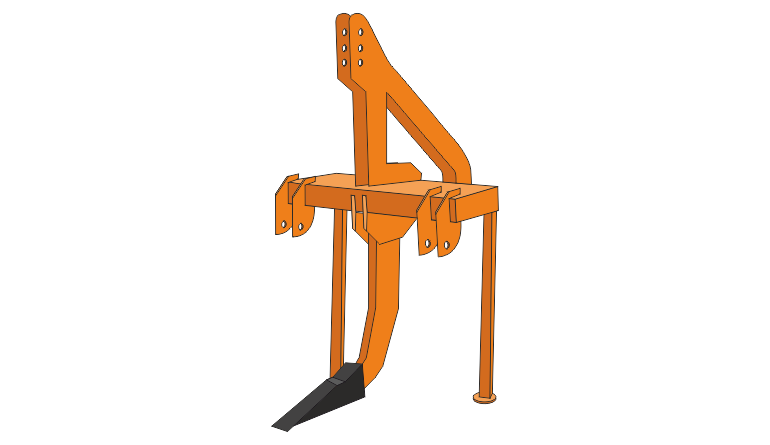
A subsoiler or flat lifter is a tractor-mounted farm implement used for deep tillage, loosening and breaking up soil at depths below the levels worked by moldboard ploughs, disc harrows, or rototillers. Most such tools will break up and turn over surface soil to a depth of 15–20 cm (5.9–7.9 in), whereas a subsoiler will break up and loosen soil to twice those depths. A subsoiler is a tillage tool which will improve growth in all crops where soil compaction is a problem. In agriculture angled wings are used to lift and shatter the hardpan that builds up due to compaction. The design provides deep tillage, loosening soil deeper than a tiller or plough is capable of reaching.
The subsoiler consists of three or more heavy vertical shanks (standards) mounted on a toolbar or frame with share bolts. They can be operated at depths of 45–75 cm (18–30 in) or more. A ripper normally runs 35–45 cm (14–18 in) deep. Shanks are curved and have replaceable tips. Each shank is fitted with a replaceable point or foot, similar to a chisel plough, to break through the impervious layer, shattering the sub-soil to a depth of 45–75 cm (18–30 in). Subsoiling is a slow operation and requires high power input: 60 to 100 hp to pull a single subsoil point through a hard soil. Agricultural subsoiler implements will have multiple deeper-reaching blades; each blade is called a scarifier or shank.
One type of subsoiler has a torpedo-shaped tip and is called a mole plough because the tip describes a path much like the burrow that a mole creates. Mole ploughs are used to create tile drainage, with or without tiles or tile line added. A form of this implement (with a single blade), a pipe-and-cable-laying plough, is used to lay buried cables or pipes, without the need to dig a deep trench and re-fill it.
-
DS
Sub Soiler

Modal Header
This is the text .
This is the text .
This is the text .
This is the text .